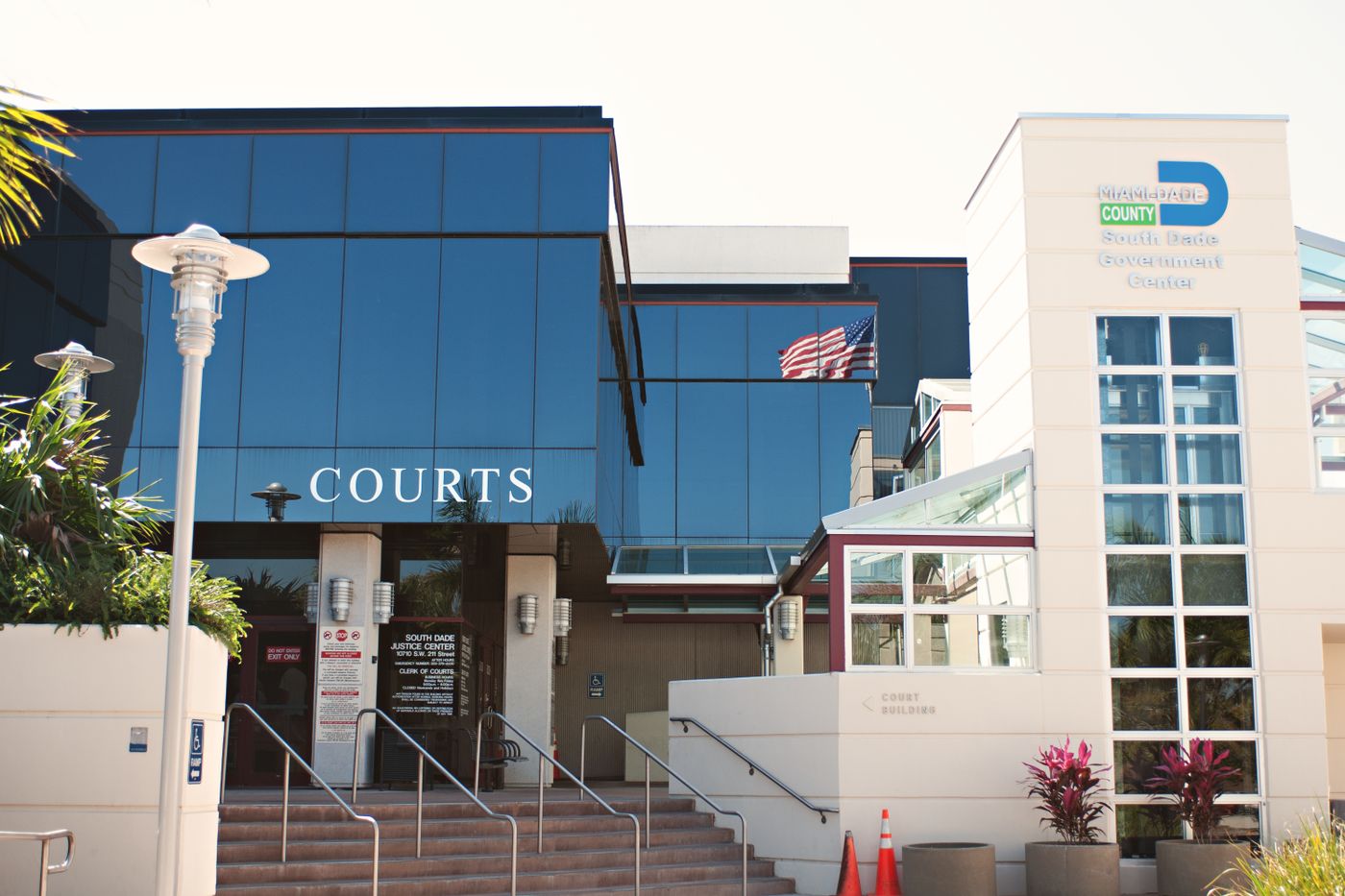


Why Do Public Buildings Use Security Window Film?
Government building window film gets specified because a public building has to do two contradictory things at once: stay open to anyone who walks up, and keep the people inside safe. The glass is where those two jobs collide. You cannot wall off a lobby that exists to serve the public, and you cannot leave a counter, a records room, or a council chamber sitting behind a pane that fails on the first swing. Security film is the compromise that does not look like one. It bonds to the inside of the glass you already have, holds a broken pane together in the frame, and stays essentially invisible while doing it. No remodel, no rated shutters, no message to the public that the building has become a fortress. We have installed 3M film on Gulf Coast buildings since 2009, from county counters to campus facilities.
Table of Contents
- Two Jobs, One Piece of Glass
- Hardening Entries Without Closing the Lobby
- Staff Who Sit Behind the Glass All Day
- Energy on a Budget Everyone Can See
- Storm Debris and Staying Operational
- Why Government Building Window Film Fits Agency Budgets
- Frequently Asked Questions
Two Jobs, One Piece of Glass
Most security spending in a public building is spent on the things you can see: cameras, badge readers, a guard at a desk. Those are all detection and response. They tell you something is happening and bring someone to it. None of them are a barrier, and a barrier is what buys the seconds the rest of the system needs.
Glass is almost always the weakest barrier in the building. Tempered glass, which is what most public entrances use, is engineered to break into small blunt pieces for injury safety. That is the correct design choice for a fall and exactly the wrong outcome against force: one strike and the opening is clear. Film changes what happens after impact without changing anything about how the building looks or operates.
Hardening Entries Without Closing the Lobby
Security film is a thick polyester laminate applied to the interior surface. When the pane is struck, the film holds the fragments together so the sheet stays in the opening. Getting through means hitting the same spot repeatedly, in full view, making noise the entire time. That delay is the product. Everything a lockdown or an evacuation procedure needs, it needs time to do.
Where It Goes First
Nobody films an entire facility at once. An assessment ranks the openings, and the order is usually predictable: main entry doors and the sidelights beside them, glass at the public counter, ground-floor windows with easy exterior access, and any glazed room where cash, evidence, records, or controlled inventory is kept. The sidelight is the one most often missed. A hardened door next to an untreated pane of glass is not a hardened entry.

Staff Who Sit Behind the Glass All Day
Public-facing staff spend their days at a counter, and the counter is often glass. Frontline employees in service roles face a category of risk that building plans do not always address, and OSHA’s workplace violence guidance treats physical barriers as one part of a broader prevention approach. Film is a quiet way to improve the barrier without putting a visible wall between a clerk and the person they are helping.
The same staff have a less dramatic complaint that film also solves. A desk positioned in front of a west-facing glass wall is unworkable for part of every afternoon, and the usual fix is a stack of cardboard taped to the window. Combination films add solar performance to the safety laminate, so one install handles both. Our office window film page covers that side of the work.
Energy on a Budget Everyone Can See
Public buildings tend to be older, glass-heavy, and operating with equipment that has been in service a long time. They are also spending money that shows up in a published budget, which puts a particular kind of pressure on every line. Solar control film reduces the heat coming through the glass, which takes load off equipment that is already working hard.
We will not attach a savings percentage to your building without seeing it. The honest answer is that it depends on your glazing, your exposure, your occupancy hours, and your mechanical system, and anyone quoting a number sight unseen is selling rather than assessing. If you want to understand the performance ratings before anybody proposes a product, the NFRC consumer guide to window film is a straightforward explanation of what the numbers mean.
Storm Debris and Staying Operational
On the Gulf Coast there is a second reason this work gets funded. Many public buildings are designated to keep running through an event, or to reopen immediately after one. Glass failure is what turns a functional building into a closed one: water gets in, interiors are damaged, and the space is unusable for days.
Safety film keeps broken glass together instead of letting it fly, which reduces interior damage and injury risk. It is not a replacement for rated impact protection, and we say that plainly, including in does window film protect against hurricanes. On buildings where shutters or impact glass are not feasible on every opening, film is what gets applied to the rest.
Why Government Building Window Film Fits Agency Budgets
Replacing glazing in an occupied public building is a construction project with permits, procurement, and closures. Film is applied to existing glass, often after hours, with the space back in service the same day. It also phases cleanly, which matters when a facilities budget arrives in annual pieces. You can do the main entry this year and the ground-floor wing next year without either project being wasted work.
Our commercial window film services page covers how we sequence larger facilities, and how security window film works explains the film construction itself.
Frequently Asked Questions
Is security film bullet resistant?
No. Ballistic protection is a separate product category tested against separate standards. Any vendor describing standard security film as bullet resistant is misrepresenting it, and that is worth knowing before you evaluate proposals.
Will the public notice it?
Clear security film is effectively invisible. That is a deliberate advantage for a building that does not want to signal hardening. If solar film is included, the glass takes on a light tint that most people read as normal commercial glazing.
What is an attachment system and do we need one?
Film keeps the broken pane intact, but enough force can push that intact sheet out of the frame. An attachment system bonds the filmed glass to the frame so the assembly holds as a unit. Main entries usually justify it. Interior partitions usually do not.
Can film go on interior glass too?
Yes, and it often does. Conference rooms, counters, and offices also use decorative or frosted film for privacy, covered in privacy without blocking natural light.
How disruptive is installation?
Low. No glass is removed, there is no dust, and rooms are usually usable again the same day. Most facilities schedule it after hours or in sections during normal operation.
Start With an Assessment of the Openings
We walk the facility, rank the glass by exposure and risk, and give you a scope you can phase across budget years. See our government building window film page, then request a quote.