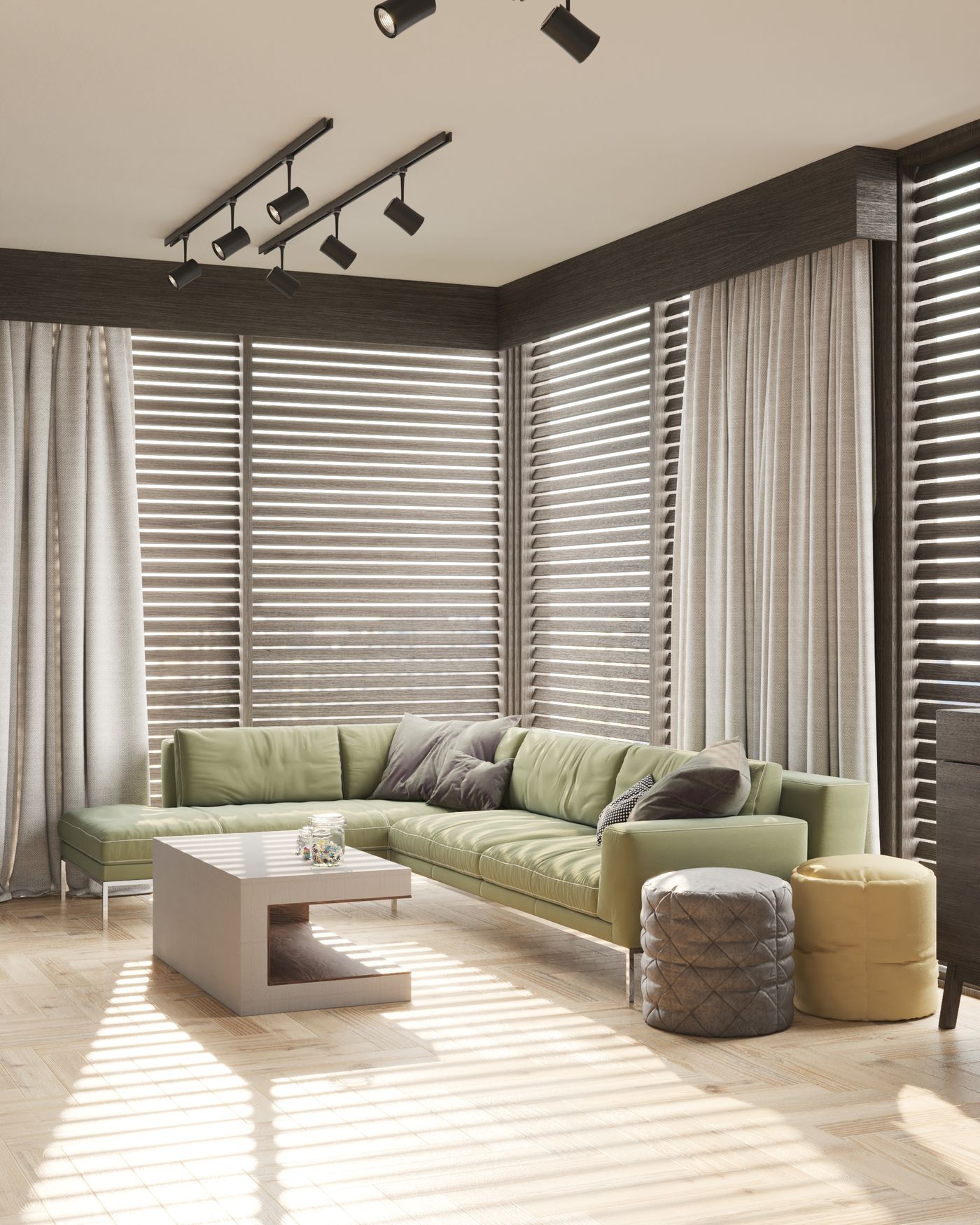


Should You Choose Window Film or Blinds?
Deciding between window film or blinds is easier once you know that they work at two different points in the process. Film treats the glass, so solar energy is rejected before it ever gets into the room. Blinds, shades, and curtains sit inside the glass, so they intercept light that has already passed through and already dumped heat into the space. That single difference explains almost every comparison people make between the two. Blinds win on instant control and on complete darkness when you want it. Film wins on heat, on ultraviolet protection, and on keeping the view you paid for. Plenty of homes on the Gulf Coast end up with both, doing different jobs. We fit both for homeowners across Sarasota and Manatee County, so this is not a case of talking you into the thing we happen to sell.
Table of Contents
- They Solve Different Halves of the Same Problem
- What Blinds and Shades Do Well
- What Film Does That Coverings Cannot
- Window Film or Blinds for Privacy
- Upkeep, Cleaning, and Real Life
- Frequently Asked Questions
They Solve Different Halves of the Same Problem
Picture the sunbeam crossing your living room floor in the afternoon. A blind can stop you from seeing that beam. It cannot stop the energy that created it from entering the house, because by the time the light reaches the blind it is already on the inside of the glass. The blind absorbs it and re-radiates much of it right back into the room as heat.
Film works one layer earlier. It reflects and absorbs solar energy at the window, and much of the absorbed heat is carried away on the outside surface. The beam gets weaker before it ever crosses the sill. If your complaint is a bright room, coverings help. If your complaint is a hot room, the glass is where the fix has to happen.
What Blinds and Shades Do Well
Coverings are not the loser in this comparison. They do several things film simply cannot.
- They adjust. Film is a fixed performance level, all day, every day. A shade changes with the hour and the mood.
- They can go fully dark. A bedroom that needs to be black at seven in the morning needs a blackout covering. No film does that.
- They give total privacy on demand, including after dark, which is when most privacy problems happen.
- They are a design element. Fabric, texture, and color do something for a room that a clear film never will.
Choosing well matters more than most people expect, which is why we help homeowners pick coverings that work with Florida sun instead of fighting it on our window coverings page.
What Film Does That Coverings Cannot
The case for film starts with the thing nobody wants to give up: the view. A covering that solves your heat problem has to be closed, and a closed covering means you bought a window and then hid it. Film works with the blinds open, the view intact, and the room still full of daylight.
It also handles ultraviolet light, which coverings only address while they are drawn. Quality film blocks up to 99 percent of UV all day whether anyone is home or not, which is what protects flooring, artwork, and upholstery from fading on the sunny side. Ultraviolet exposure indoors gets underestimated, and the American Optometric Association guidance on UV protection is a useful reminder of why it is worth treating seriously.
Heat Gets Stopped Before It Is Inside
This is the difference that shows up on a summer afternoon. With film, the glass itself stops being a radiator, so the wall of windows no longer creates a warm zone you can feel from six feet away. Rooms even out, the thermostat stops chasing one exposure, and the sunny side of the house stops being a different climate than the shady side. If you want to understand the ratings behind that behavior before comparing products, the NFRC consumer guide to window film explains what each number means.
Window Film or Blinds for Privacy
Privacy is where the honest answer gets specific about time of day. Reflective and frosted films give you strong daytime privacy, because the brighter side always sees the reflection and the darker side sees through. During the day, that works in your favor. After dark it reverses: your lit interior becomes the bright side, and a one-way film no longer hides anything.
So a bathroom, a sidelight, or a ground-floor office window that needs round-the-clock privacy wants a frosted or decorative film that is not directional at all, or a covering you can close at night. A living room that only feels exposed during the day is a film job. We go through the details in one way window film and privacy without blocking natural light.
Upkeep, Cleaning, and Real Life
Day to day, film is the lower-maintenance option. It is a flat surface you clean like glass, with a soft cloth and a non-abrasive cleaner. There are no slats to dust, no cords to tangle, no fabric to hold pet hair, and nothing hanging where a toddler can reach it. Coverings need replacing on a cycle. Film on properly prepared glass is a long-term install with a manufacturer warranty behind it, as we covered in how long window film lasts.
The flip side is that film is not adjustable. You choose a performance level and live with it. That is why the walkthrough matters more than the brochure: the right film for a west-facing lanai slider is not the right film for a north bedroom.
The Combination Most Homes Land On
The most common setup we install is film everywhere the sun is a problem, with coverings kept for the rooms that need darkness or nighttime privacy. Film handles heat, UV, and glare continuously. Blinds handle bedtime and the occasional afternoon nap. Neither one is asked to do the other’s job, and the house stops feeling like it has a sunny side and a livable side.
Frequently Asked Questions
Will film let me stop using blinds entirely?
In many living areas, yes, because the reason the blinds were closed was heat and glare. Bedrooms usually keep something for darkness. Nothing about film requires you to remove coverings you already like.
Can I install film if I already have blinds up?
Yes. Coverings are drawn back or briefly removed for access, and the install is quick and clean. No drilling, no dust, no hardware changes.
Does film make a room feel dark the way closed blinds do?
No, and that is the point. Spectrally selective films pass a high share of visible light while rejecting heat. We walk through what to expect in will window film make my house too dark.
Is film safe on the glass in a newer home?
Usually, but the glass has to be identified first. Insulated and low-E units need a product chosen with thermal stress in mind, which we explain in window film on double pane windows.
What about sliding glass doors?
Sliders are usually the largest glass in a Florida home and the biggest heat source, and vertical blinds on them are the first thing homeowners get tired of. See window film for sliding glass doors.
Have Someone Look at the Actual Windows
Which rooms are hot, which ones feel exposed, and which direction they face decides this, not a general rule. Start with our residential window film services page, then request a quote.