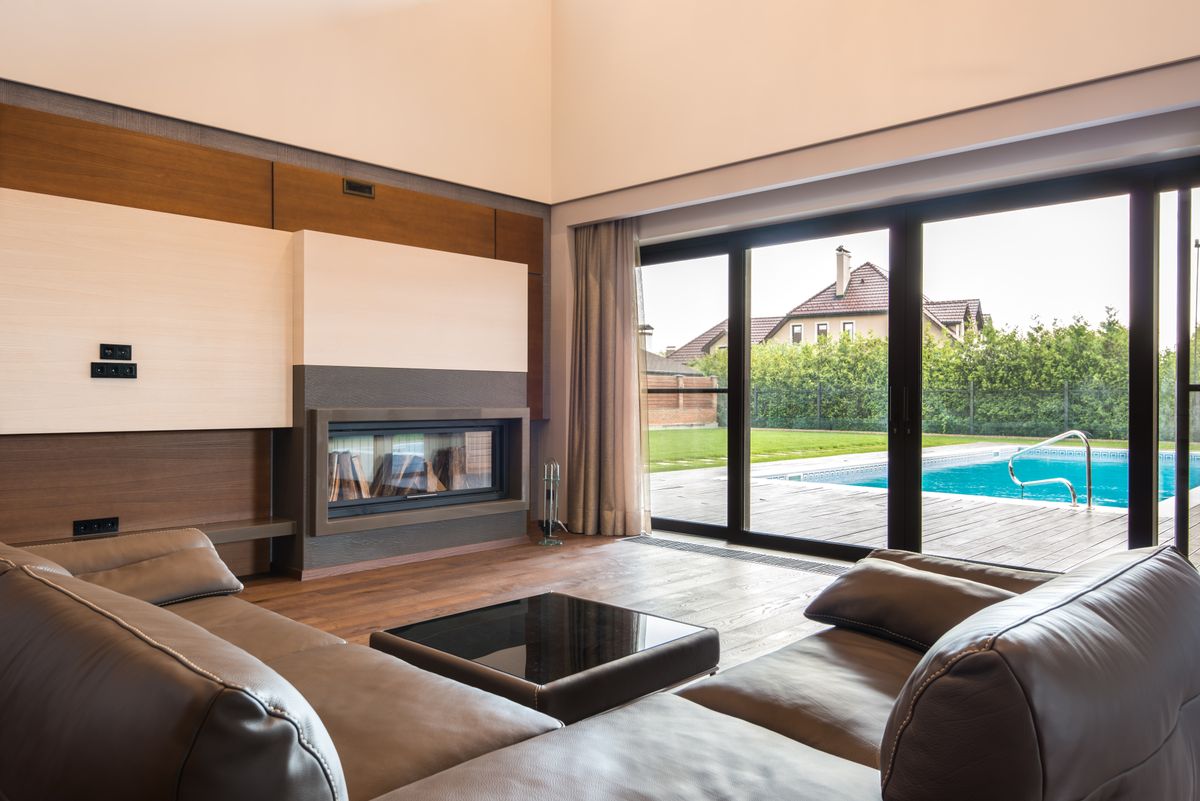


Window Film for Sliding Glass Doors: 6 Proven Wins
Your sliding glass doors are probably the biggest single sheet of glass in your house, and in Sarasota and Manatee County that glass faces the pool, the lanai, and hours of hard Florida sun. Window film for sliding glass doors is the fix most homeowners reach for once they get tired of the heat pouring off that glass, the glare washing out the TV, and the faded stripe on the floor where the afternoon light lands. We have been putting 3M film on those doors across the Suncoast since 2009, and the sliders are almost always the first thing people point to when we walk in.
This guide walks through what window film for sliding glass doors actually does, which problems it solves, and how to pick the right film for the doors you have. No sales pitch, just the straight version from a hometown crew that installs this every week.
Table of Contents
- Why Your Sliding Glass Doors Take the Worst of the Florida Sun
- Window Film for Sliding Glass Doors: The Problems It Solves
- Cutting the Heat and the Energy Bill
- Killing the Glare Without Killing the View
- Stopping Fade on Floors, Rugs, and Furniture
- Blocking the UV Your Skin Never Sees
- Bigger Glass, Bigger Safety Question
- Clear, Tinted, or Decorative: Picking the Right Film
- What Installation Day Looks Like on a Slider
- Frequently Asked Questions
Why Your Sliding Glass Doors Take the Worst of the Florida Sun
A standard window is a modest pane. A slider is a wall of glass, often six to twelve feet wide, and it usually opens onto the sunniest part of the property. That is the pool deck, the screened lanai, or the backyard, which means the door faces open sky with nothing to shade it. When that glass points west or south, it soaks up direct sun from midday until the sun drops behind the treeline.
Glass is a poor barrier against solar energy. Clear glass lets most of the sun heat straight into the room, and older aluminum-framed sliders are worse than newer insulated units. You feel it as a hot spot: the couch nearest the door runs warm, the tile by the track bakes, and the room never quite cools even with the air conditioner grinding. Because a slider has so much more surface area than a window, everything that annoys you about a sunny window is multiplied. That is exactly why window film for sliding glass doors moves the needle more than film anywhere else in the house.
The doors also get used. People walk through, kids press hands on them, and pets nose at the glass. So the film you put on a slider has to handle sun, heat, and daily contact without hazing or peeling. That is a job for professional-grade material, not a roll from the hardware store.
Window Film for Sliding Glass Doors: The Problems It Solves
When people ask us about window film for sliding glass doors, they are almost always trying to fix one of six things, and usually more than one at once:
- Heat radiating off the glass into your living space
- Energy bills that spike when the air conditioner fights that heat
- Glare that washes out screens and forces the blinds shut
- Fading on floors, rugs, and furniture near the door
- UV exposure that reaches your skin even indoors
- Safety concerns about a large, easy-to-reach pane of glass
One film can address all six at different levels depending on the product you choose. The rest of this guide takes them one at a time so you can decide which matters most for your doors.

Cutting the Heat and the Energy Bill
The number one reason people call us about window film for sliding glass doors is heat. Solar control film works by reflecting and absorbing a large share of the sun energy before it gets through the glass and into the room. Less heat coming in at the door means the space near your slider stops feeling like a greenhouse, and the temperature across the room evens out.
That comfort has a money side too. When the glass stops dumping heat into the room, the air conditioner does not have to run as long or as hard to hold your set temperature. The International Window Film Association notes that film can help decrease and balance HVAC loads, which is where the energy savings come from. That is the heart of what makes window film for sliding glass doors worth it on a big west-facing door that was the biggest heat leak in the wall to begin with.
We do not promise a specific number on your bill, because your savings depend on the door size, its direction, your glass, and how you run your air conditioning. What we will tell you honestly is that the sliders are the smartest place to start. Fixing the worst offender first is how window film for sliding glass doors pays for itself faster than filming a row of small, shaded windows on the north side.
Killing the Glare Without Killing the View
Glare is the complaint people mention second, and it is often the one that pushes them to finally do something. Late afternoon sun hits the slider at a low angle, bounces off the pool, and turns your television into a mirror. You end up closing the blinds on the best view in the house just to watch a game or work from the couch.
Window film for sliding glass doors cuts that glare down to a level you can live with while leaving the view open. You are trading a blinding sheet of light for a softened, even brightness, not a blacked-out room. Modern solar films come in neutral, low-reflectivity shades that look clean from inside and out, so you keep the water view and lose the squint.
If glare on screens is your main issue, we will steer you toward a film tuned for glare reduction rather than the darkest tint on the shelf. The best window film for sliding glass doors is the one matched to your glare and your view, not the deepest shade in the sample book. The goal is comfort with the blinds up, not a cave.
Stopping Fade on Floors, Rugs, and Furniture
Fade is where window film for sliding glass doors quietly earns its keep. Look at the floor in front of an unfilmed slider and you can often see the sun work: a bleached path where the light lands every afternoon. Fading comes from three things working together, which are ultraviolet light, heat, and visible light. Window film cannot stop all three, but it knocks down the biggest driver hard.
Because a slider floods so much light onto one area, it is usually the room where fading shows up first, on the wood floor, the area rug, and the arm of the sofa that sits in the beam. Adding window film for sliding glass doors slows that damage by cutting the ultraviolet load and a good share of the heat and visible light along with it. Your floors, your art, and your furniture last longer near the glass instead of aging in fast-forward.
No honest installer will tell you film makes a room fade-proof. What it does is buy your furnishings years, which matters most right at the slider where the exposure is heaviest.
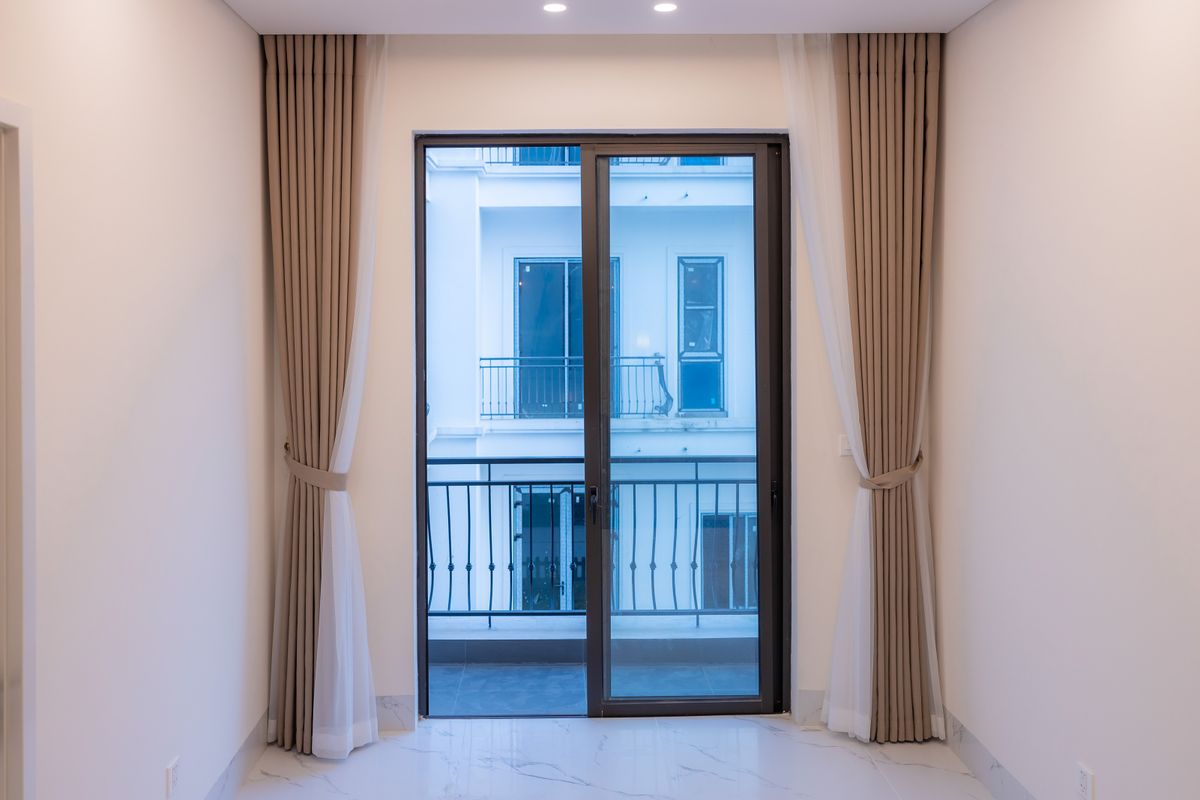
Blocking the UV Your Skin Never Sees
Here is the part people forget. Ordinary glass stops the UVB rays that burn you, but it lets a lot of UVA straight through. UVA is the wavelength tied to premature aging and skin cancer, and it reaches you at the kitchen table or on the couch by the slider, year round, even when you never step outside.
Quality window film changes that. According to the Skin Cancer Foundation, UV window film can block more than 99 percent of UVA and UVB light. If anyone in your home spends real time sitting in the light near a slider, that protection is a quiet, daily benefit that comes free with the same film you bought for heat and glare. It is one more reason window film for sliding glass doors is worth doing on the doors your family actually sits beside.
This is the benefit you cannot feel, which is exactly why it gets ignored until someone in the house is told to stay out of the sun. Better to have it handled before then.
Bigger Glass, Bigger Safety Question
Safety is the one benefit of window film for sliding glass doors that people underestimate. A slider is the largest, most reachable pane in most homes, which makes it worth a thought. Standard solar film is thin and made for sun control, not impact. If holding the glass together is a priority for you, that is a different product, a thicker safety and security film built to keep shattered glass in the frame instead of across the floor.
Along the Suncoast, storm season is the reason many families ask about it. A laminated safety film can help a broken pane hold together against wind-driven debris, which buys time and reduces the mess when glass takes a hit. We are careful with what we claim here: film is not a hurricane shutter and it is not a guarantee, but it does change how a large pane behaves when something strikes it.
If safety is your main reason for looking at window film for sliding glass doors, tell us up front. The right answer might be a security film, or a security film paired with a clear solar layer, and that choice is easy to get wrong if you shop on tint shade alone.
Clear, Tinted, or Decorative: Picking the Right Film
There is no single best film for every door. The right window film for sliding glass doors depends on which way the glass faces, what bothers you most, and how the door looks from the street. Here is the short version of the main choices.
Clear and light solar films
These reject heat and ultraviolet light while barely changing how the glass looks. They are a strong pick when you want the comfort and UV protection but do not want to darken the view at all. Great for shaded lanais and homes with strict association rules on appearance.
Tinted solar films
A light to medium tint gives you the most heat and glare control, which is the usual answer for a west or south-facing slider that cooks all afternoon. You keep the view, cut the squint, and knock the temperature down near the door.
Decorative and privacy films
Frosted or patterned film on the lower panels adds privacy and a finished look without blocking the whole view up top. Some homeowners mix a decorative band on a slider with a solar film on the main glass to get both style and sun control.
One more thing to weigh in our area is how the door reads from outside. Many Sarasota and Manatee County communities set appearance rules through a homeowners association, so a mirror-bright film can be a problem at the next inspection. The neutral, low-reflectivity films we favor keep the outside looking uniform while still doing the work on the inside. If your community has a rule sheet, bring it to us and we will match a film that stays inside the lines and still handles the sun.
What Installation Day Looks Like on a Slider
Here is how we install window film for sliding glass doors on a typical job. We start by deep-cleaning the glass, because any dust or hard-water spot trapped under film shows forever. Then we cut the film to the exact panel, squeegee out the water and air, and trim the edges tight to the frame.
You can use the door the same day, though the film needs a short curing window to reach full clarity. During curing you may notice a slight haze or tiny water pockets, and those clear on their own as the adhesive dries, usually within a few days to a couple of weeks depending on the weather. That is normal, not a defect.
Caring for the film afterward is easy and adds years to how long window film for sliding glass doors keeps looking sharp. Wait a couple of weeks for the film to cure, then clean the glass with a soft cloth and a mild, ammonia-free cleaner. Skip the abrasive pads and the blue ammonia sprays, since those can scratch or cloud the surface over time. On a door that gets touched every day, a quick wipe once a week keeps fingerprints and pool splash from building up along the bottom rail.
This is also where a professional install earns its keep. A slider is a big, visible panel, and a bubbled or crooked do-it-yourself job is impossible to hide. Getting window film for sliding glass doors installed by a trained crew is the difference between glass that looks factory-clean and a door you notice every time you walk past it.
Get 3M Protected at Your Sliders
If your sliding glass doors are heating up the room, washing out the TV, or fading the floor, film is the smallest change with the biggest payoff. We will measure your doors, walk you through the clear and tinted window film for sliding glass doors in plain terms, and put 3M film on the glass that needs it most. Ask us for a quote and tell us which doors give you the most trouble. Get 3M Protected.
Moving into a new place? See how to enhance your new home with window film from day one.
Frequently Asked Questions
Does window film really work on sliding glass doors?
Yes, and the doors are usually the best place in the house to use it, because a slider is the largest, sunniest pane you own. The same residential solar control film we install on windows cuts heat, glare, and UV on a slider too, which is why window film for sliding glass doors delivers its biggest payoff there.
Will window film make my sliding glass doors too dark?
No, not unless you choose a dark tint on purpose, because these films come in a range from nearly clear to medium shades. We match the film to your doors so you keep the view and lose the heat, and you can see the options in our 3M window film lineup before you decide.
Can window film hold a sliding glass door together if it breaks?
A thicker safety and security film is built to help hold shattered glass in the frame, which standard solar film is not designed to do. If that is your goal, look at our safety and security window film, which is the right product for a large, reachable pane rather than a sun-only film.
How long does window film for sliding glass doors last?
Professionally installed 3M film on an interior slider is built to last for years of daily use without hazing or peeling, as long as a trained crew applies it. That durability is the main reason we steer people away from hardware-store rolls on a panel this large and this visible.