


Can You Put Window Film on Double Pane Windows? 6 Things to Check First
Yes, you can put window film on double pane windows, and homes across Sarasota and Manatee County have had it done for years without a problem. The condition is that the film has to be matched to the glass. Insulated glass units absorb and hold heat differently than single pane glass, and a high absorption film on the wrong kind of double pane window can create enough uneven heating to crack the glass.
That risk is real, it is well understood by the industry, and it is entirely avoidable. Film manufacturers publish film-to-glass compatibility tables for exactly this reason, and a trained dealer checks them before quoting anything. Below is what your glass actually is, why thermal stress happens, and the six checks that should happen on your windows before a single roll comes off the truck.
Table of Contents
- The Short Answer for Double Pane Glass
- What a Double Pane Window Actually Is
- Why Thermal Stress Is the Real Concern
- The 6 Checks Before Film Goes on Insulated Glass
- Which Films Are Safest on Double Pane Windows
- Signs the Wrong Film Was Used on Your Windows
- What Double Pane Windows Still Let Through in Florida
- Frequently Asked Questions
The Short Answer for Double Pane Glass
Film goes on double pane windows every day. What changes with insulated glass is not whether film can be used, but which film. A dark, highly absorptive film that would be fine on a single pane storefront can hold too much heat against one lite of an insulated unit, and that is where cracks come from.
The films most people in this region actually want, the spectrally selective ones that cut heat while staying clear enough to keep your view, tend to be low absorption by design. They reflect and re-radiate solar energy rather than soaking it up. That is precisely why they are the usual recommendation for a Florida home with newer windows.
The right process is simple: identify the glass, check the film against the manufacturer table, and install accordingly. Skip that and you are guessing with your windows.
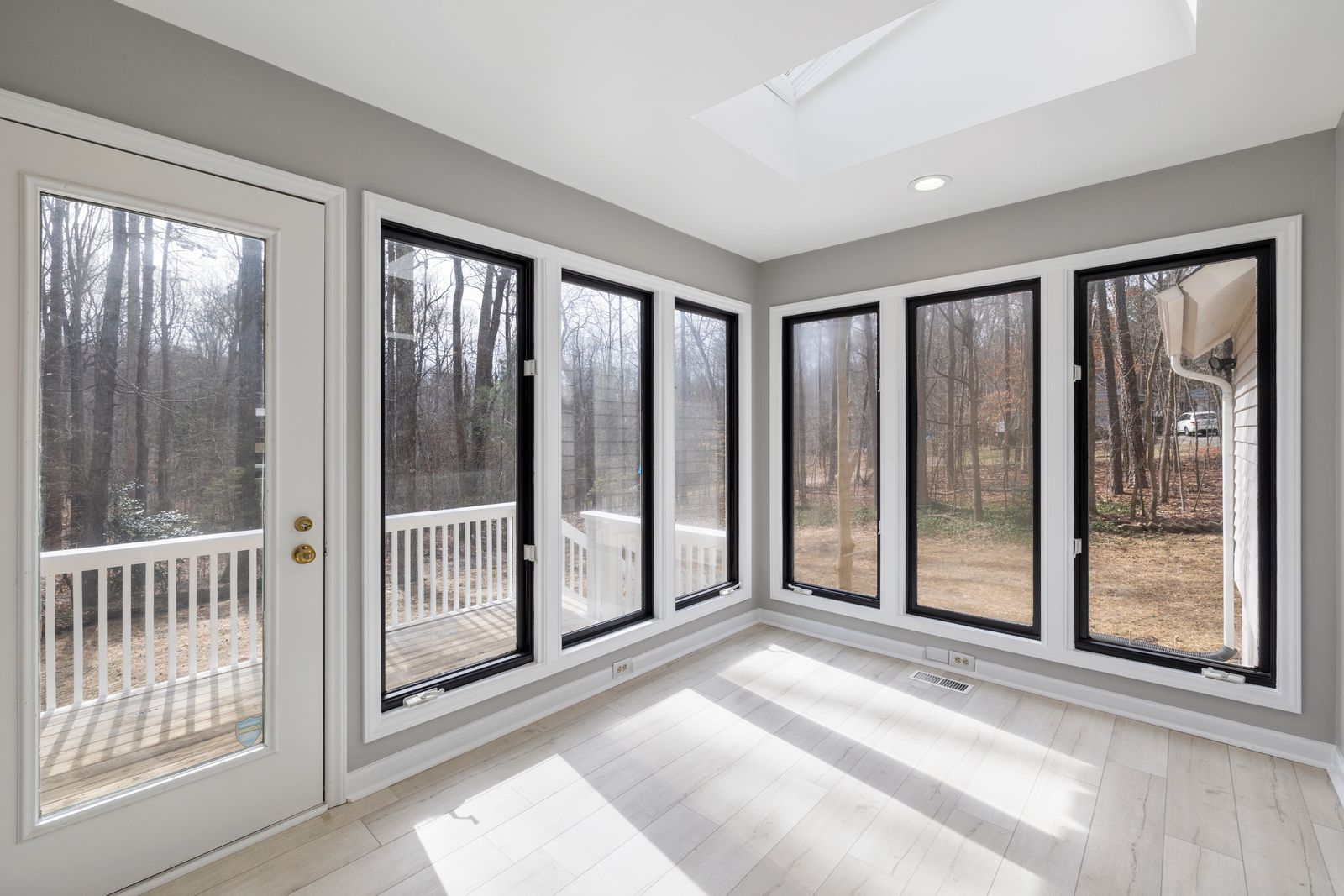
What a Double Pane Window Actually Is
Understanding the assembly makes the rest of this obvious.
A double pane window, called an insulated glass unit or IGU in the trade, is two panes of glass held apart by a spacer around the perimeter and sealed at the edges. The gap between them is filled with air or an inert gas such as argon, and that trapped gas is what does the insulating. The seal at the edge is what keeps it there.
Most units made in the last two decades also carry a low-emissivity coating, a microscopically thin metallic layer applied to one of the interior glass surfaces. Low-E coatings reflect long wave heat and are the reason a modern window outperforms an old one. Which surface the coating sits on matters, and it is one of the things that has to be identified before film is specified.
So the pane you touch from inside your living room is one of four glass surfaces, only one of which you can reach. Film goes on that inside surface. Everything else in the assembly, the coating, the gas, the spacer, and the seal, is affected by how much heat that inside pane now holds.
Why Thermal Stress Is the Real Concern
Glass does not crack because film is stuck to it. Glass cracks when one part of a pane gets significantly hotter than another part, expands, and pulls against the cooler section. The edges of a pane sit in the frame, shaded and cooler, while the center bakes in full sun. Enough difference between the two and the glass fails at the edge, usually with a crack that starts perpendicular to the edge and then wanders.
Applying a film that absorbs a lot of solar energy raises the temperature of the center of the pane, which widens that gap. The International Window Film Association puts it directly: glass breaks when stressed, and thermal stress from absorption of solar radiation is the type that film can affect. Their guidance is that manufacturers publish film-to-glass tables for factory trained dealers, and that homeowners should ask to see them if there is any doubt.
A more technical breakdown of the interaction, including how absorption, glass type, and shading combine, is available in this industry discussion of film to glass compatibility.
Two practical points fall out of this. First, the risk is a function of the specific combination of film and glass, not of film in general. Second, the same combination can be perfectly safe on a small north facing window and a poor idea on a large west facing one, which is why a real assessment is done window by window rather than house wide.
The 6 Checks Before Film Goes on Insulated Glass
Any dealer who handles double pane glass properly runs through all six of these before quoting. If you are getting estimates, this list is a useful way to tell who knows the material.
1. Identify the Glass Type
Annealed, heat strengthened, and tempered glass tolerate very different amounts of thermal stress. Tempered glass handles the most, annealed the least. Most residential double pane windows use annealed glass except where code requires safety glazing, such as doors, sidelights, and windows near the floor. Tempered panes usually carry a small etched stamp in a corner. Identifying which is which changes what film can go where.
2. Find the Low-E Coating and Which Surface It Is On
A low-E coating already reflects a large share of solar heat. Adding a heavily absorptive film on top of glass that is already managing heat can push the assembly past what it was designed for. The position of the coating matters too, because a coating on the inner surface of the outer pane behaves differently than one on the inner pane. A handheld low-E detector identifies both in seconds, and any dealer working on modern windows should be carrying one.
3. Run the Film Against the Manufacturer Compatibility Table
This is the step that actually decides the answer. Film manufacturers publish tables listing which films are approved for which glass constructions, including insulated units, low-E units, tinted glass, and laminated glass. The tables account for absorption, glass thickness, and pane size. As a 3M authorized dealer, we work from those tables rather than from what looks good in a sample book.
4. Look at Size, Frame, and Orientation
Large panes build up more stress than small ones. Dark frames run hotter than light ones and heat the glass edge unevenly. A west facing window in Sarasota takes brutal afternoon sun for hours, while a north facing window of the same size never sees direct load. Metal frames conduct heat differently than vinyl. All of it feeds into the same calculation.
5. Check for Partial Shading Patterns
This one gets missed constantly and it matters. A window that is half shaded by an overhang, a tree, an awning, or a neighboring wall for part of the day has a hard line between hot glass and cool glass running right across the pane. That is the worst case for thermal stress, and it is very common on Florida homes with deep eaves and lanais. A window like that may need a lower absorption film than an identical unshaded window ten feet away.
6. Read Your Window Manufacturer Warranty Terms
Separate from whether film is safe, some window manufacturers include terms in their own warranty about aftermarket film on their insulated units. Terms vary widely by brand and by product line, and they change over time. Pull the paperwork for your specific windows, or ask the manufacturer directly, before the install. It takes one phone call and removes any question later. This is your paperwork to check, and any honest installer will tell you to check it.
Which Films Are Safest on Double Pane Windows
Once the checks are done, the film choice usually narrows to a short list, and for most Florida homes it lands in the same place.
Spectrally selective films are the workhorse here. They target the near infrared portion of sunlight, which carries most of the heat, while letting visible light through. Because they reflect and re-emit rather than absorb, they run cooler on the glass and are widely approved for insulated units. They also keep your view, which matters when the reason you bought the house was what is outside the window.
Ceramic films work on the same principle without metal in the construction, so they do not interfere with cell or wifi signal, and they hold their color rather than fading to purple the way cheap dyed film does.
The films to be careful with on insulated glass are the dark, dyed, or heavily metalized ones that get their performance from absorption. On a single pane commercial storefront they can be an excellent choice. On a residential IGU they are the combination that needs the compatibility table checked most carefully.
Exterior applied film is the other option worth knowing about. Mounting the film on the outside surface means the absorbed heat is released to the outdoors rather than into the glass assembly, which sidesteps much of the thermal stress question. It is the standard answer for glass that cannot take an interior film. Exterior film has a shorter service life because it lives in the weather, so it is a specific solution rather than a default. Both approaches are part of a normal residential solar film assessment.
Signs the Wrong Film Was Used on Your Windows
If film is already on your double pane windows and something seems off, these are the symptoms worth paying attention to.
- A crack that starts at the edge of the pane and runs perpendicular to it before curving. That pattern is characteristic of thermal stress rather than impact.
- Fogging, haze, or condensation between the two panes, which means the edge seal has failed and the insulating gas is gone. Film is not the only cause of a failed seal, but heat accelerates seal aging.
- Bubbling, hazing, or a purple cast in the film itself. That is film failure, usually a dyed product past its service life, and it is a cosmetic and performance problem rather than a glass safety one.
- One window in a group behaving differently than the rest, which usually points to a difference in shading, orientation, or glass type that was not accounted for.
Old failing film should come off before anything new goes on. Applying over degraded film traps the failure underneath and the new layer inherits it. Removal is straightforward for a crew that does it regularly and does not damage the glass when done correctly.
What Double Pane Windows Still Let Through in Florida
It is worth stating why this question comes up so often in the first place. People with newer windows are surprised to find they still have a heat problem, and they assume film is redundant. In this climate it usually is not.
Heat You Can Feel From Across the Room
A double pane unit slows conductive heat transfer, which is the heat moving through the glass by contact. It does much less about radiant solar energy pouring through the glass and landing on your floor, your furniture, and you. That is why the room with the west facing sliders runs warmer than the rest of the house at four in the afternoon in August even with newer windows. Solar film targets that radiant load specifically, which is the part the window itself was never designed to stop.
Glare That Makes a Room Unusable
Clear glass, insulated or not, transmits visible light freely. Low sun angles off the water in Sarasota and Bradenton produce glare that washes out a television screen and makes a home office unworkable for part of the day. Curtains fix glare by removing the view, which defeats the reason the window is there. Film cuts glare while leaving the view intact.
Fading You Do Not Notice Until It Is Done
Fading is driven by ultraviolet light, visible light, and heat together. Most modern low-E glass blocks a meaningful share of UV, but visible light and heat still come through and still do damage. Hardwood floors, area rugs, artwork, and upholstery on the sun side of a Florida home take that exposure every day, and the change is gradual enough that it registers only when a rug gets moved and the color underneath does not match. Quality film addresses all three drivers at once, which is why solar film gets specified in homes with newer windows all the time.
None of this means every double pane window needs film. It means the presence of double pane glass does not answer the question by itself. What your rooms actually do in the afternoon does.
Want privacy without replacing glass? Frosted window film works on double-pane windows too. And if you are weighing bigger changes, read replacing windows versus adding window film.
Frequently Asked Questions
Will window film break my double pane windows?
Not when the film is matched to the glass. Breakage happens when a high absorption film is put on a glass type that cannot handle the added heat, and that combination is identified in advance using the manufacturer film-to-glass table. The vast majority of homes in Sarasota and Manatee County that have film on insulated glass have had it for years without incident. Ask any installer to show you the compatibility documentation for the specific film they are proposing on your specific windows before you sign anything.
Does window film work on low-E glass?
Often yes, with the right film. Low-E glass already reflects a share of the heat, so the film is adding to a system that is doing some of the work. That means a lower absorption film is usually the correct choice, and it also means the added benefit is smaller than it would be on plain glass. Where low-E windows still let in too much heat or glare, or where fading and privacy are the issue, film is a sensible addition. Where the windows are already performing well, an honest answer is sometimes that you do not need it.
Can I put film on the outside instead?
Yes, and for some glass that is the right call. Exterior film releases absorbed heat to the outdoors rather than into the glass assembly, which largely removes the thermal stress concern. The tradeoff is that exterior film lives in salt air, sun, and storm season, so it does not last as long as interior film. It is the standard solution when a window cannot take an interior product, and it comes up regularly on commercial buildings with large glazed elevations.
Will film cause the seal between the panes to fail?
Edge seals fail over time on their own as the sealant ages, and heat is one of the things that accelerates it. A properly specified low absorption film does not meaningfully add to that. A poorly specified high absorption film raises the temperature the assembly runs at, which is one more reason the compatibility check is not optional. If your windows are already fogging between the panes, that seal has failed and no film will fix it. Those units need glass work, not film.
How do I know if my windows are double pane?
Hold a flame or a bright pen light up to the glass at an angle in a dark room and count the reflections. Two reflections means single pane, four means double pane. Alternatively, look at the edge of the glass where it meets the frame from outside. If you can see a metal or composite spacer strip running around the perimeter between two sheets of glass, it is an insulated unit. If you are still unsure, we identify it as part of the walkthrough, along with the low-E coating and glass type.
Get 3M Protected
If your double pane windows are cooking a room, washing out your TV, or fading the furniture, film is very likely on the table. The right answer for your house depends on your glass, and that takes twenty minutes on site to determine properly. NBI Suncontrol has been the 3M Premier Elite dealer for Sarasota, Manatee, and Charlotte County since 2009, and we run the compatibility checks before we quote, not after. Request a quote or see the areas we cover, and let us take a look at what you actually have.